

2021 CREATIVE IMPULSE
WINEMAKER’S NOTES
The blend for the 2021 Creative Impulse is 80% Cabernet Sauvignon and 20% Merlot, all from DuBrul Vineyard. This wine beautifully showcases the power and elegance of the 2021 vintage. Deep ruby-purple color with a multifaceted bouquet of cassis, ripe blackberry gravel, dark chocolate, cigar tobacco, mint, sage, and nutmeg. Very complex on the palate with notes of cassis, blackberry, smoldering incense, aged cigar tobacco, mint, espresso, and herbes de Provence. Beautifully balanced with rich, ripe tannins and racy acidity. Persistent length with notes of cassis, gravel, and forest floor. Properly cellared, this wine will gracefully evolve for 20+ years and should reach maturity in 8-10 years.
TECHNICAL DETAILS
The wine had a pre-fermentation maceration average of 157 hours and a post-fermentation maceration average of 112 hours. Native fermentation was used on all of the lots. The wine was punched down by hand 2 times each day during macerations and fermentation. All individual wine components, including free run and press fractions, were kept separate until final blending. The oak profile is 60% new French oak (predominantly from Troncais and Alliers) and 40% neutral French oak. The wine had an elevage of 24 months in oak and was racked three times but not fined. The wine was very lightly filtered to capture any remaining lees. The alcohol is 14.9%, pH is 3.76, and the titratable acidity is 5.9 g/L.
CASES PRODUCED 88
VARIETALS 80% Cabernet Sauvignon, 20% Merlot
APPELLATION DuBrul Vineyard, Yakima Valley
LABEL STORY
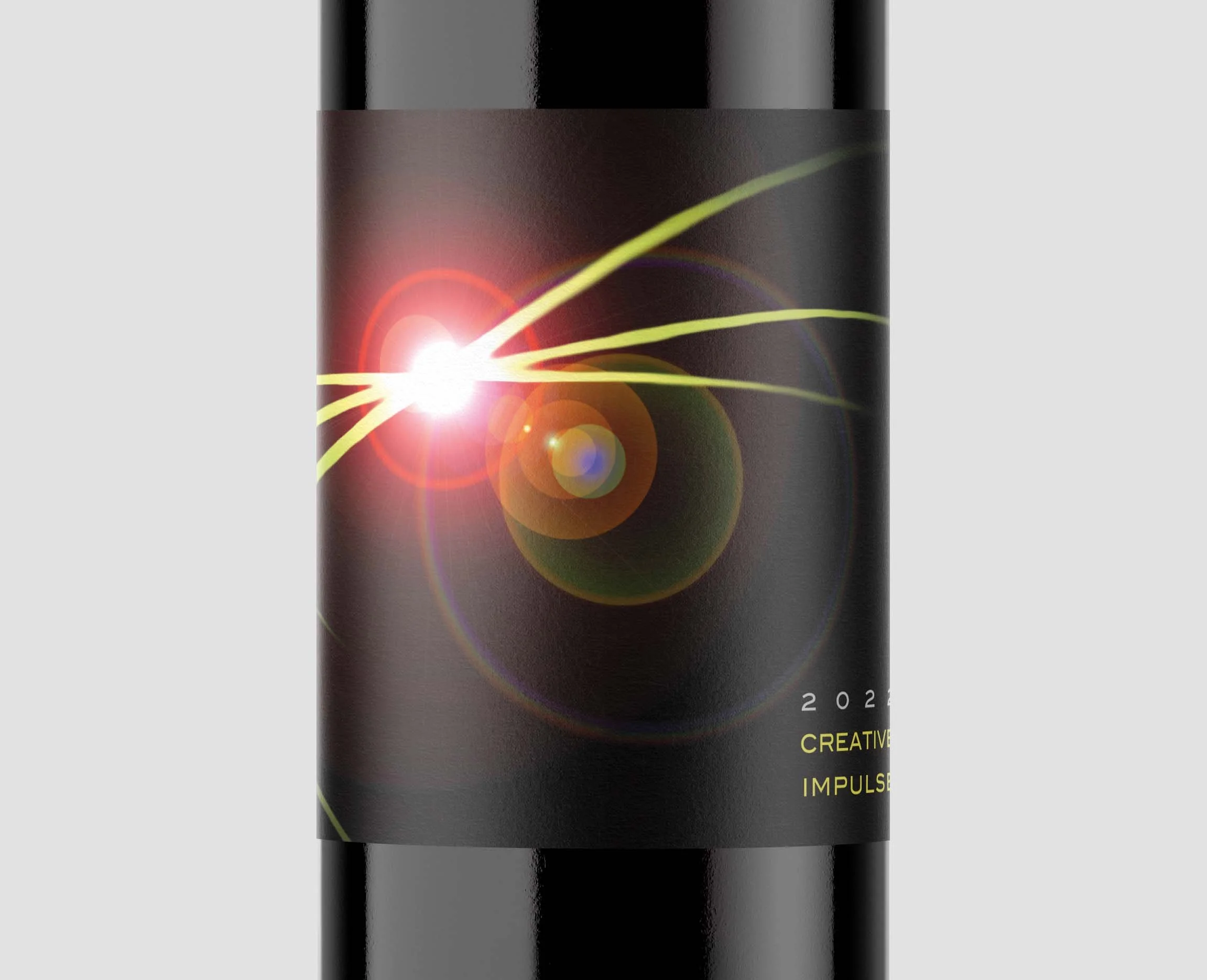
In January 2008, I went to my local wine store and bought a bottle of wine made with DuBrul Vineyard Cabernet Sauvignon. While I liked the wine, I thought that we could do better – to me, the potential of the fruit wasn’t fully realized. I don’t know why I felt this. I never had DuBrul Vineyard fruit before, and this wine was lovely. It was a visceral reaction – not based on any history of tasting DuBrul fruit.
Up to this point, Billo and I had only made two wines, the 2007 QED and 2007 Prinicipia, and they were both going through malolactic fermentation – we had no idea how they would turn out. Perhaps it was hubris, but I was struck by what I perceived as untapped potential in this wine. So, I called Billo and told him that we needed to get DuBrul fruit. I told him we could make a great wine with it. He was in his second year of his Masters program in viticulture and enology at UC Davis, and as luck would have it, one of his classmates was Kerrie Shiels, daughter of the owners of DuBrul Vineyard, Dr. Hugh and Kathy Shiels. Through her, we got an invite to visit them for Easter Sunday.
I have fond memories of that Easter dinner. The Shiels were wonderful hosts. After tasting some of the DuBrul wines, I said to Dr. Shiels that we would love to get some DuBrul fruit for our production. He flashed a proud smile and said that his vineyard is highly allocated and there is no fruit to sell to us. A couple of days later, Dr. Shiels called Billo: You must have a guardian angel. Someone just canceled their allocation. Would you like some fruit?
Without even knowing which grape varieties were available, I asked Billo to get whatever we could. The varieties were Cabernet Sauvignon and Merlot. With it, we make Creative Impulse. The first Creative Impulse, the 2008, received a perfect rating from Rand Sealey (Review of Washington Wines) and remains one of my top three favorite wines we’ve made.
We have always been strong analytical thinkers and because of that we were pigeon-holed as “left-brain” types. As we got older, we realized that we have a creative side. We didn’t want to be pigeon-holed as “left-brain” any longer. As we developed a passion for wine, we also developed a passion for the creative process. At the intersection of these passions, a creative impulse was bred. Rasa Vineyards was born out of this creative impulse.